Urban Integration
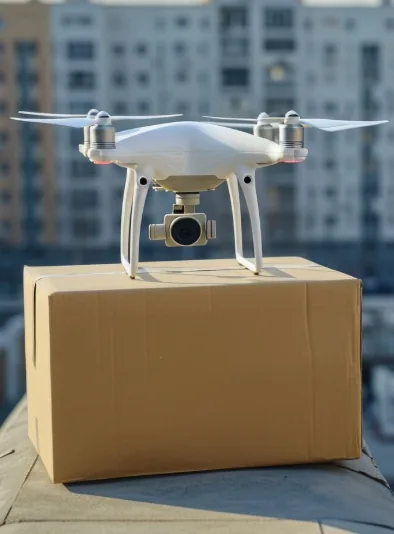
Integrating drone delivery into dense cityscapes presents unique architectural and social puzzles. Rooftops must be reimagined as micro-hubs for autonomous delivery vehicles arriving and departing. Planners project that unmanned logistics nodes will become standard features in new building designs. Sound-dampening materials and visual screens soften the impact of delivery technology on residents. The ultimate goal is a seamless future delivery flow that feels invisible to the street below.
Traffic management systems will extend skyward to orchestrate drone delivery traffic. Dynamic geo-routing prevents congestion among autonomous delivery vehicles sharing limited air corridors. Real-time coordination is central to the promise of safe urban unmanned logistics. City-wide control dashboards monitor each delivery technology flight with sub-second latency. This orchestrated choreography is what transforms chaotic movements into reliable future delivery patterns.
Public acceptance hinges on demonstrable reductions in ground vehicle trips thanks to drone delivery. Studies model how shifting parcel movements to the sky with autonomous delivery eases curbside congestion. Such data reinforces the value of unmanned logistics in creating more livable urban environments. The environmental narrative around delivery technology strengthens when air quality improvements are measured. Citizens can see future delivery as a tangible contributor to sustainability goals.
Infrastructure charging networks must support high-frequency autonomous delivery operations sustainably. Wireless inductive pads on rooftops replenish energy for drone delivery between missions. Battery-swapping robots form another layer of unmanned logistics support infrastructure. These systems ensure delivery technology maintains a tempo matching urban demand cycles. A robust energy backbone is essential for the 24-hour future delivery vision.
Acoustic engineering is quietly revolutionizing the sound profile of drone delivery propellers. Low-noise blade designs make autonomous delivery more acceptable in residential zones after dusk. Psychoacoustic research influences how delivery technology is perceived rather than just measured in decibels. Urban unmanned logistics depends on this attention to sensory experience details. Pleasant sonic signatures will define the best future delivery implementations.
Emergency service coordination with drone delivery fleets is a critical urban planning topic. An autonomous delivery network could momentarily clear corridors for ambulance flights. Protocols for yielding priority in shared airspace are embedded into unmanned logistics software. This cooperative delivery technology shows how civic and commercial uses of the sky can coexist. A responsive future delivery framework puts public safety at its core.
Equitable access ensures that drone delivery benefits reach all neighborhoods, not just affluent ones. Municipal policies guide autonomous delivery providers to serve underserved zip codes proportionally. This prevents a digital divide in access to next-generation unmanned logistics. The social dimension of delivery technology shapes zoning permits and operator licenses. True urban integration means future delivery works for everyone in the vertical city.