Airspace Rules
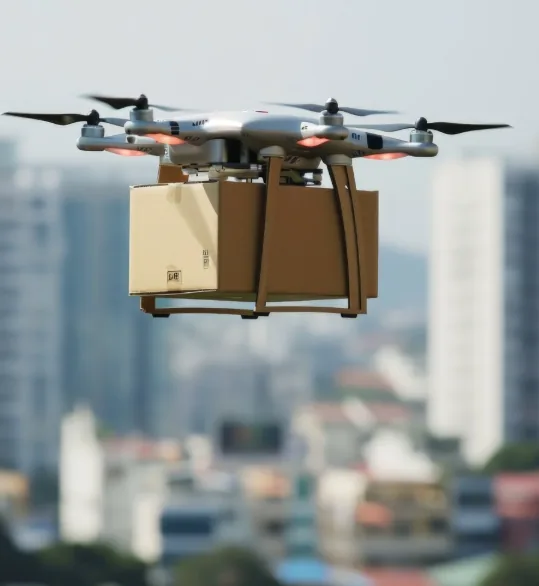
Policymakers around the world are designing frameworks to safely integrate drone delivery into existing aviation systems. Japan has been particularly proactive, establishing corridors for unmanned logistics over sparsely populated areas. These regulations address altitude limits, geo-fencing, and remote identification protocols essential for autonomous delivery. The challenge lies in balancing innovation with public safety and privacy concerns. Harmonizing international standards will be crucial for the expansion of future delivery networks.
Operators must comply with strict certification processes before launching any drone delivery route. This involves rigorous testing of the delivery technology under varied weather and emergency scenarios. Authorities require redundant communication links to maintain control over unmanned logistics flights at all times. Night operations and flights beyond visual line of sight represent the next regulatory frontier for autonomous delivery. Each approved mission contributes valuable data to refine the legal architecture of future delivery.
Liability questions remain a complex aspect of governing autonomous delivery ecosystems. When an unmanned aerial vehicle encounters an unexpected obstacle, responsibility needs clear legal definition. Insurance models for drone delivery are rapidly evolving to cover third-party ground risks. The development of delivery technology must proceed hand in hand with these legal constructs. Without robust accountability frameworks, public trust in unmanned logistics could be fragile.
Urban density adds another layer of complexity to future delivery legislation. Planners are exploring rooftop landing pads and dedicated low-altitude sky lanes for drone delivery. These spatial arrangements aim to minimize noise and visual pollution from autonomous delivery fleets. Municipal governments study examples of unmanned logistics to shape zoning laws proactively. The integration of this delivery technology demands unprecedented cooperation between civic and aviation bodies.
Spectrum allocation for command-and-control links is vital for safe drone delivery. Interference with manned aircraft communications could derail an autonomous delivery operation instantly. Regulators are carving out protected frequencies specifically for the needs of unmanned logistics. These dedicated bands ensure that delivery technology functions with zero latency in congested airspace. A secure communication backbone is non-negotiable for the future delivery paradigm.
International consensus on data governance will shape cross-border unmanned logistics. Data collected by sensors during a drone delivery flight can include sensitive imagery. Stripping personally identifiable information from autonomous delivery datasets is a baseline privacy requirement. Ethicists argue that delivery technology must embed privacy-by-design principles from the start. Transparent data policies will foster wider acceptance of expansive drone delivery networks.
Public perception ultimately steers the pace of autonomous delivery legislation. Demonstrations of quiet, precise, and incident-free drone delivery gradually build community support. Educational outreach explains how unmanned logistics can reduce road congestion and emissions. Listening to resident feedback ensures that future delivery solutions address genuine local needs. A thoughtful regulatory climate transforms this delivery technology from an experiment into reliable infrastructure.